What We Clean on Raleigh Hotel Exteriors
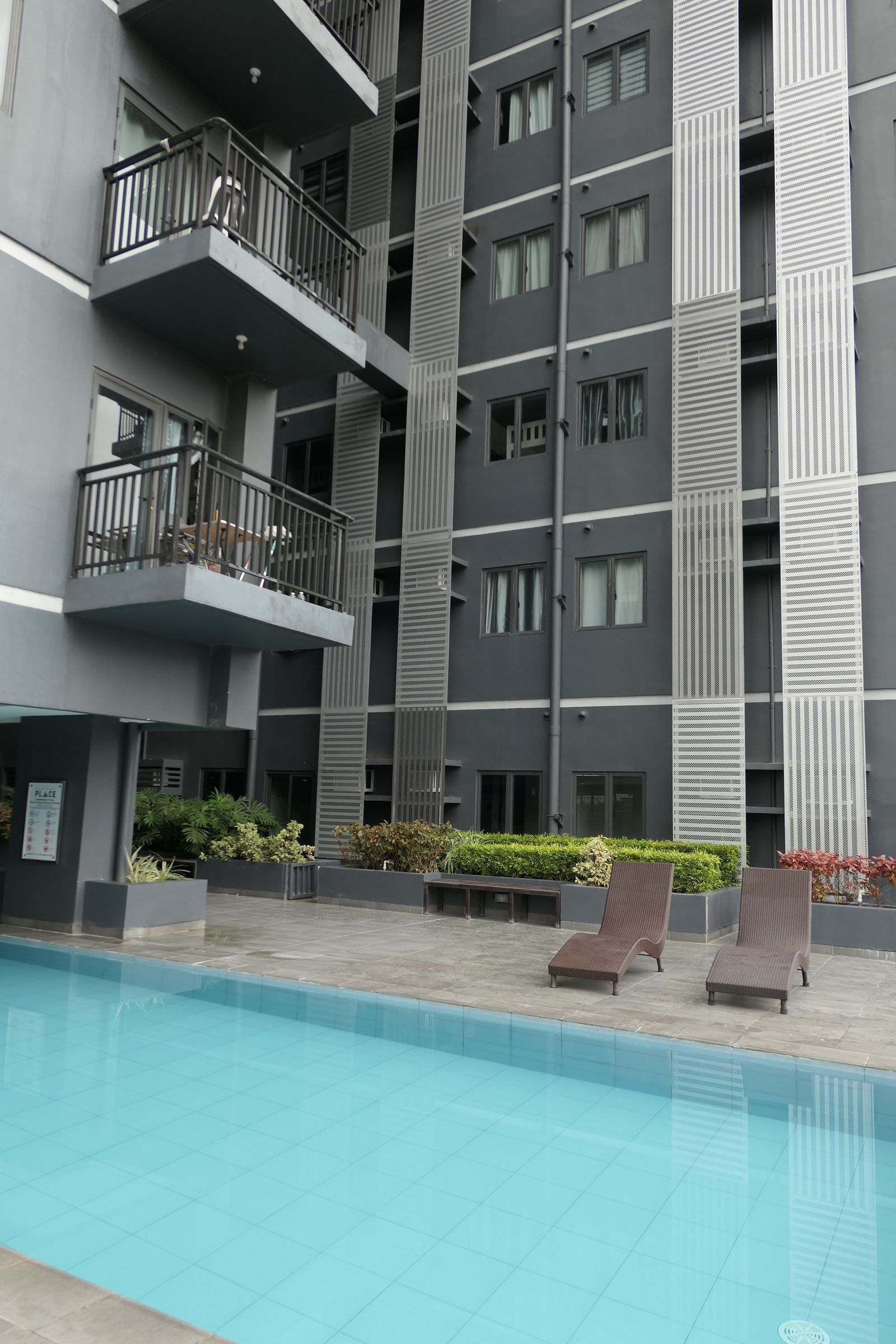
A useful hospitality scope starts with the surfaces guests and ownership teams actually see. Raleigh hotels may combine brick, precast concrete, painted masonry, EIFS, stucco, metal panels, stone accents, glass, decorative trim, and repairs from different construction phases. We review each material before selecting a low-pressure wash, controlled rinse, compatible chemistry, or contact method. Common targets include pollen film, organic discoloration on shaded walls, traffic grime, bird residue, runoff streaks, dirty ledges, and soil around canopies and sign bands. A maintenance wash can improve these conditions, while oxidation, efflorescence, rust, failed coatings, hard-water deposits, and damaged sealants may require a specialty scope.
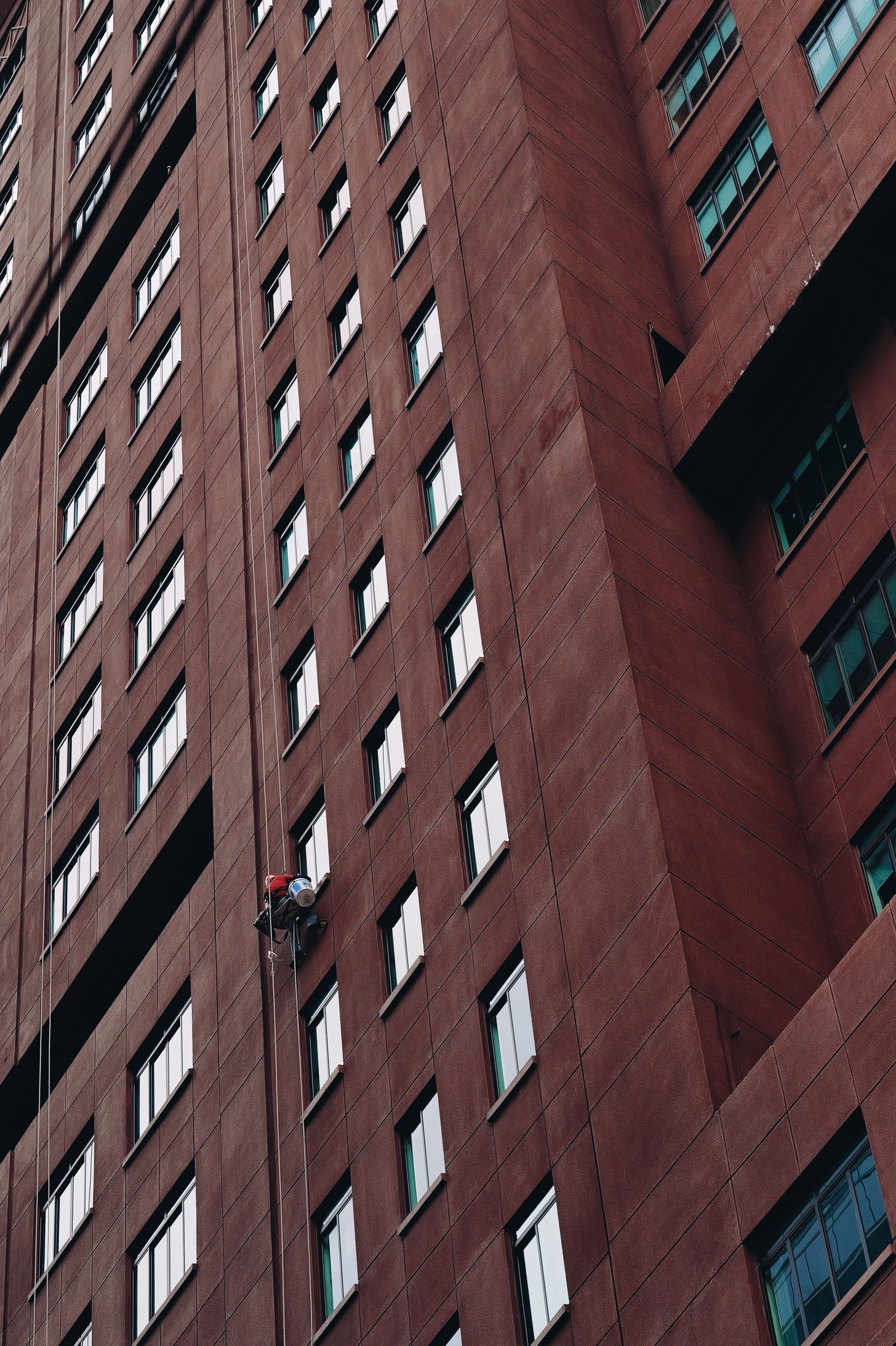
Upper glass needs a clear expectation. Drone-assisted equipment may support wetting and rinsing compatible glass, frames, and window bands where water quality, wind, building geometry, and stand-off distance permit. It cannot press a squeegee against each pane, scrape bonded construction residue, polish mineral deposits, or detail corners by hand. If the hotel requires a contact-cleaned finish, we identify that requirement and recommend a suitable access method. That distinction helps a general manager or chief engineer compare the expected result instead of buying a process without a defined finish.
- Facades, upper elevations, ledges, trim, and compatible wall systems
- Canopies, porte cocheres, parapets, coping, and sign bands
- Upper glass wetting and rinsing with contact-work limits stated
- One-time cleaning, event preparation, or recurring maintenance
Schedule Around Downtown, North Hills, and RTP Operations
Raleigh hospitality properties do not share one operating rhythm. A downtown hotel near Fayetteville Street, the Raleigh Convention Center, museums, restaurants, and event venues may have concentrated pedestrian traffic, rideshare activity, deliveries, valet movements, and meeting-room turnover. North Hills properties can combine restaurants, offices, apartments, shopping, and active arrival courts. Hotels near Research Triangle Park or Raleigh-Durham International Airport may have early departures, shuttle traffic, corporate groups, conference arrivals, and loading schedules that differ from an urban convention property. The address helps identify context, but the hotel's operations team determines the workable window.
Before quoting, we ask about breakfast, checkout, housekeeping access, deliveries, check-in, pool use, weddings, conferences, brand inspections, and accessible paths. The work can sometimes be phased by elevation so the primary entrance remains usable while a side or rear zone is treated. A hotel does not necessarily need every facade cleaned in one block. A careful sequence may start with upper elevations during a low-traffic period, move to the canopy after valet activity changes, and leave detail work for a separate ground window. Weather contingency matters when a property is preparing for a high-occupancy weekend.
Plan for Raleigh Pollen, Humidity, Shade, and Storms
Central North Carolina's spring pollen is a visible maintenance issue on dark panels, glass, canopy tops, ledges, entrance furniture, and sheltered horizontal surfaces. A property surrounded by mature trees may experience a different accumulation pattern from a more exposed airport hotel. A wash before peak pollen can be useful for a scheduled inspection or event, but the result may need another rinse after the heaviest deposition. The practical timing should consider the hotel's calendar, landscaping, rain, wind exposure, and the elevations that matter most to guests rather than promise that one annual visit solves every exposure.
Warm temperatures, summer thunderstorms, humidity, irrigation, tree cover, and shaded walls can also support recurring organic discoloration. North-facing walls, recessed entries, areas below roof discharge, and surfaces beside dense landscaping may soil faster than sunny elevations. Cleaning does not fix a leaking joint, failed sealant, blocked gutter, redirected downspout, trapped moisture, or defective coating. If a mark returns in the same pattern, the closeout record should flag a possible drainage, envelope, irrigation, or landscaping issue for the hotel's engineering team.
Use Drone-Assisted Cleaning Only Where It Fits
The drone is an access and delivery tool within a larger cleaning plan. On a suitable hotel, it may apply a selected solution or rinse to upper facade zones while a trained ground team manages water, hoses, spotters, equipment, pedestrian controls, and communication with the property. That can reduce lift staging for portions of a compatible maintenance wash. It does not make incompatible chemistry safe, eliminate test areas, or transform routine rinsing into restoration. The quote should explain which elevations benefit from the method and which require ground or contact access.
Building geometry and the surrounding environment determine suitability. Balconies, deep overhangs, trees, wires, rooftop equipment, signs, courtyards, moving vehicles, public sidewalks, and people below can limit flight. Hotels near Raleigh-Durham International Airport, state facilities, or other controlled areas require additional airspace review. FAA commercial small-UAS rules include remote pilot certification, registration, visual line of sight, operating limitations, and restrictions involving people and moving vehicles. Property permission coordinates the site; it does not replace aviation requirements. We review the work zone and weather before committing to a flight plan.
Contact methods remain important for entrance glass, frames, stubborn deposits, recessed surfaces, detailed trim, and any result requiring brushing, scraping, polishing, or squeegee pressure. A hybrid scope may use drone-assisted wetting on broad upper walls, a water-fed pole for selected glass, and hand detail around the porte cochere. That is often more useful than forcing one tool across every material. The intended result, not the novelty of the equipment, should control the recommendation.
Protect Guests, Vehicles, Landscaping, and Drainage
An occupied hotel needs a compact, understandable work zone. We map guest entrances, accessible routes, valet lanes, rideshare areas, loading docks, employee paths, emergency access, outdoor seating, pool areas, balconies, and event-specific restrictions. Controls may include cones, barricades, spotters, hose protection, phased closures, staff communication, and a property contact empowered to pause work. The plan should protect normal movement without pretending that every entrance can remain open during every task. A clear rescheduling trigger is part of responsible scheduling.
Landscaping and building components also affect the method. We look for plants, decorative metals, cameras, signs, lighting, speakers, open windows, air intakes, vulnerable coatings, and damaged sealants. Depending on the product and substrate, preparation may involve a test area, plant pre-wetting, reduced application, directional rinsing, or excluding a sensitive component. Wash water needs a destination plan as well. Nearby storm inlets, sloped parking areas, landscaped beds, and public drainage should be identified before application, with controls determined by the property, products, jurisdiction, and wastewater produced.
Request a Raleigh Hotel Exterior Cleaning Quote
Send the hotel address, approximate height, recent photos, target elevations, facade materials if known, visible stains, available water, loading or parking restrictions, entrances that must remain open, and preferred dates. Tell us whether the priority is an entrance and canopy refresh, upper organic staining, window-band rinsing, a pre-event cleanup, or a recurring maintenance program. Mention conferences, weddings, inspections, construction, or ownership visits that affect timing. If a prior contractor identified mineral deposits, oxidation, coating failure, or damaged sealants, include that information so routine cleaning is not confused with specialty restoration.
We use the information to determine whether a remote review, site visit, test area, or hybrid access plan should come next. A useful proposal identifies service zones, expected method, access approach, finish limitations, exclusions, guest controls, drainage considerations, weather contingencies, and closeout documentation. It should also distinguish where a drone may reduce setup from where a lift, pole, or hand method is more appropriate. This gives hotel leadership a scope it can approve and operations staff a plan they can actually execute.
Drone Building Cleaners serves commercial hospitality properties with customer-facing planning and clearly defined cleaning limits. Call +1 239-351-2897, email contact@dronebuildingcleaners.com, or submit the quote form with the property details. We will review the building, identify the practical next step, and prepare a Raleigh-specific quote without promising that every surface or every day is suitable for aerial cleaning.