The Surface Comes Before the Equipment
Soft washing generally relies more on compatible chemistry, dwell time, and a controlled rinse than on high impact force. It may be useful for organic growth, pollen film, and atmospheric soil on selected masonry, stucco, EIFS, painted surfaces, and other compatible materials after testing. Pressure washing uses water force as a larger part of the cleaning action and can be appropriate for selected durable concrete, pavement, or heavily soiled hardscape. Neither description is a guarantee. Excess chemistry can affect finishes, while excessive pressure can drive water into joints, remove coatings, etch softer materials, or damage adjacent components.
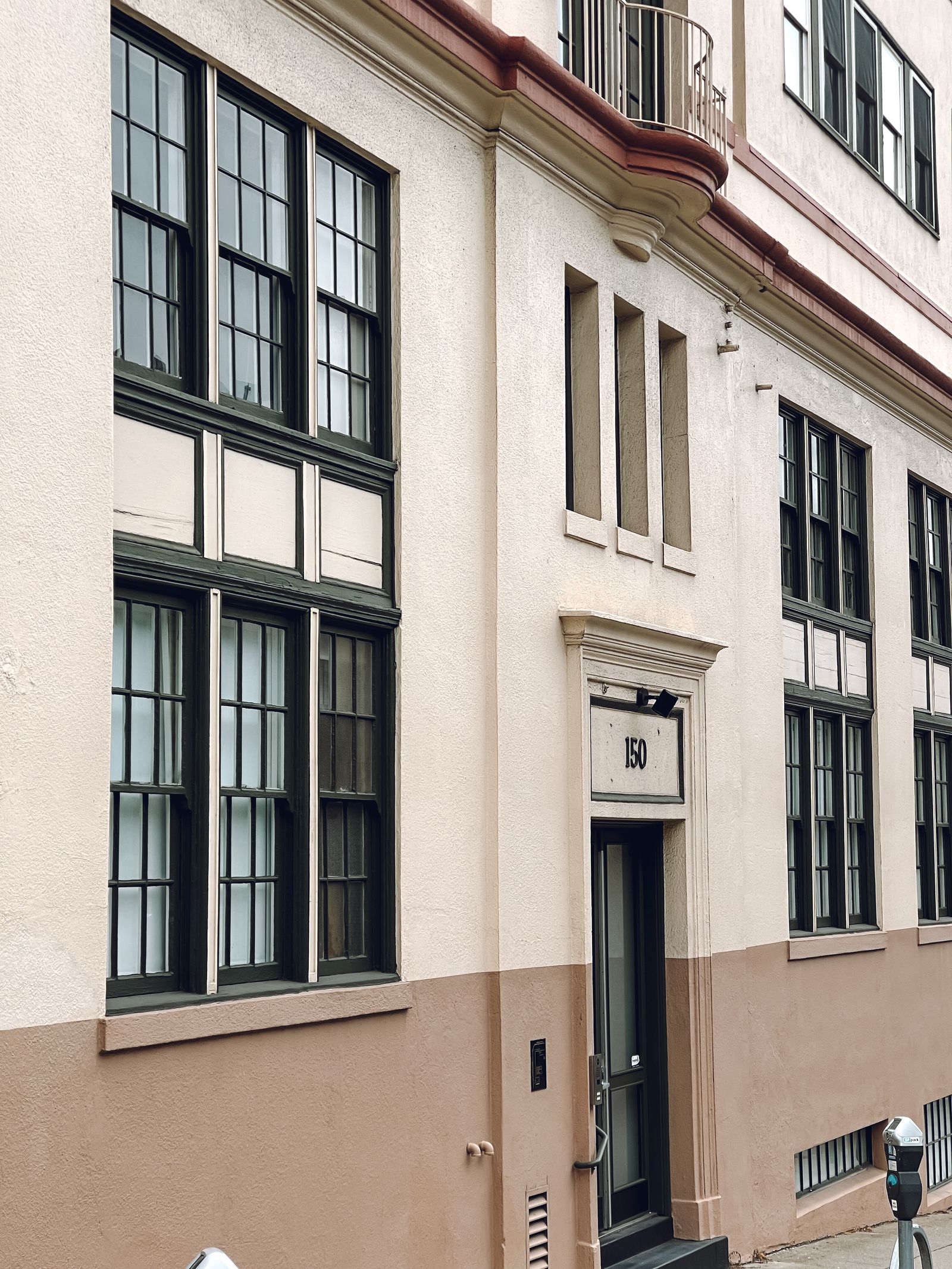
A Raleigh commercial property often contains several substrates on one elevation. An office may combine brick, windows, metal panels, sealants, concrete entries, decorative stone, and a painted sign band. A retail center may add awnings, bollards, storefront glass, and landscaped islands. The method that makes sense for a loading dock slab may be unsuitable for EIFS above the entrance. Divide the property into service zones, identify the expected result for each, and use test areas where condition or material makes the outcome uncertain.
Match the Method to Raleigh Staining Conditions
Raleigh's seasonal pollen is often visible on dark cladding, glass, ledges, canopy tops, vehicles, and shaded horizontal surfaces. Loose pollen and surface film may respond to a carefully planned rinse, while established organic discoloration can need a compatible treatment and dwell period. Traffic grime near Wade Avenue, Capital Boulevard, I-40, or busy commercial entrances may behave differently from staining on a quiet campus elevation. Tree cover, irrigation, roof discharge, and shade can also create repeat patterns that cleaning alone cannot permanently prevent.
Not every dark mark is a soft-wash problem. Efflorescence, hard-water deposits, oxidation, rust, failed paint, graffiti, construction residue, etched glass, and deteriorated sealants require different decisions. A pressure increase may make a mineral deposit look temporarily better while leaving the underlying issue or damaging the surface. Ask the contractor to identify the apparent condition, expected improvement, limitations, and whether a separate restoration or repair provider is needed. An honest quote makes room for an uncertain diagnosis when the facade cannot be safely determined from photographs alone.
Where Drone-Assisted Soft Washing Can Help
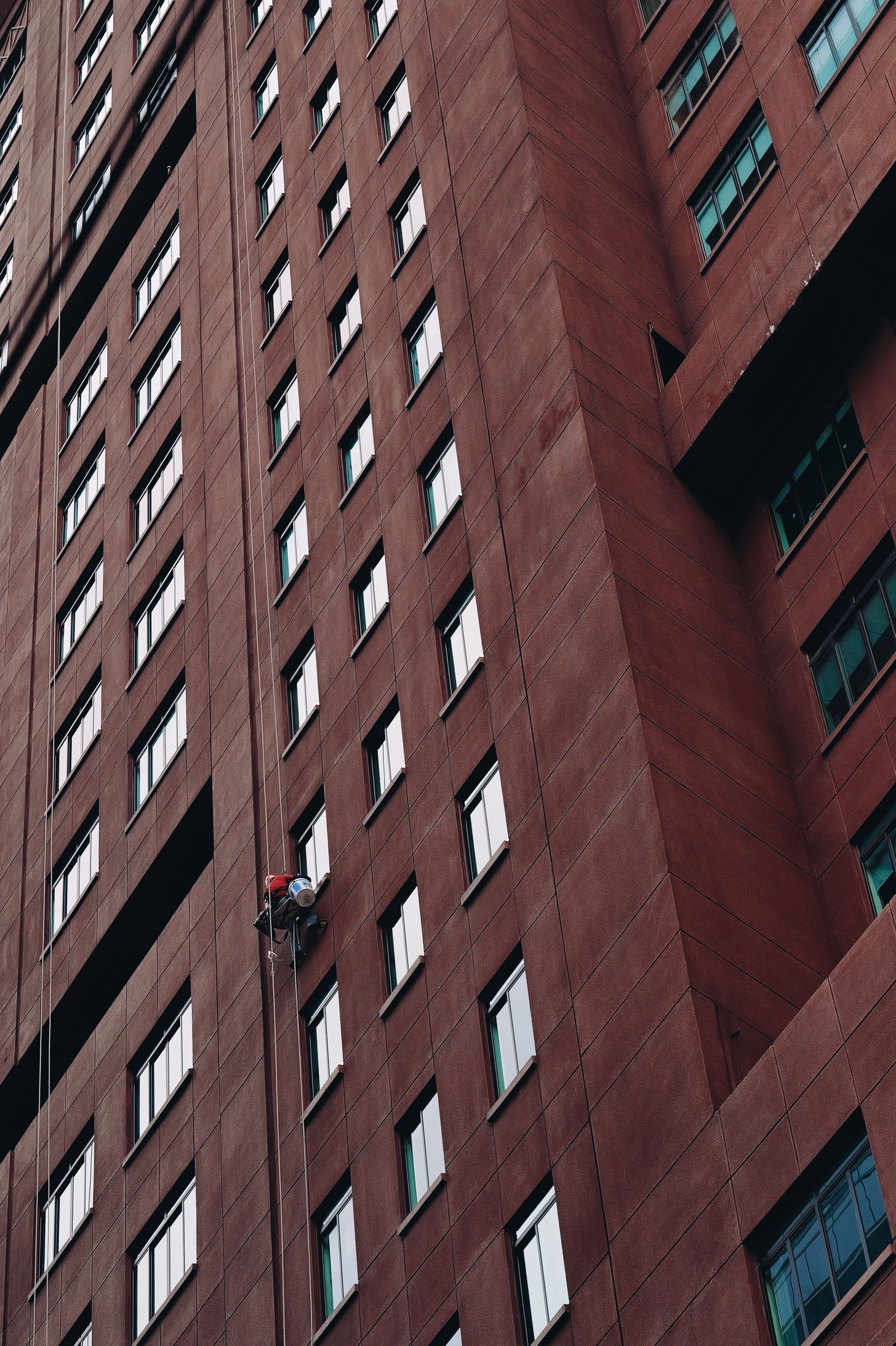
Drone-assisted cleaning can support application and rinsing on selected upper elevations when the building offers clear stand-off space, safe launch and recovery conditions, workable water and hose management, suitable weather, and a ground team that can control the area. It may reduce lift staging for broad compatible wall sections, parapets, ledges, sign bands, or upper rinse work. The benefit is usually most meaningful when the desired finish is a maintenance wash or rinse rather than hand agitation or close detailing.
A drone cannot brush, scrape, squeegee, polish, repair a joint, or inspect a facade by touch. Balconies, deep recesses, overhangs, trees, wires, antennas, signs, public sidewalks, moving vehicles, and nearby people can make aerial work inappropriate. Raleigh-Durham airport activity and other controlled-airspace questions may require additional review. Commercial operations also need to follow FAA requirements, and property permission does not remove those obligations. A proposal should list the elevations where aerial work is expected, plus every area that still needs a lift, pole, ground crew, or contact method.
When Controlled Pressure Is the Better Choice
Controlled pressure may be appropriate for sound, durable surfaces where water force is part of the required cleaning action. Examples can include selected concrete walks, curbs, loading areas, garage surfaces, and other hardscape zones after the condition, coatings, joints, drainage, and surrounding materials are reviewed. Pressure should be adjusted through flow, nozzle selection, distance, angle, and technique. A large commercial property should not receive one setting simply because the same machine can reach every area.
Pressure becomes a concern on soft masonry, deteriorated mortar, EIFS, fragile stucco, aging coatings, window seals, decorative finishes, and components with hidden openings. Water can travel behind a cladding system or enter around failed joints even when the surface appears intact. Ground pressure work also creates pedestrian, vehicle, hose, and runoff planning requirements. On a mixed facade, the responsible answer may be controlled pressure on pavement, soft washing on compatible walls, pure-water rinsing on selected glass, and hand detail at entrances. The combination is more precise than calling the whole project power washing.
Include Water, Storm Drains, and Weather in the Scope
Raleigh cleaning plans should identify water availability, surface slope, nearby storm inlets, landscaped beds, parking drains, public walkways, and where used water may travel. The City of Raleigh provides stormwater guidance and programs because stormwater systems connect private sites with public water quality. The proper controls depend on the products, volume, soil, property layout, jurisdiction, and discharge path. Do not assume that a low-pressure rinse automatically has no runoff concern. Before work begins, the property and contractor should agree on protection, collection, diversion, filtration, disposal, or other controls that apply to the actual activity.
Weather also changes the method. Wind can affect spray, hose behavior, aerial stability, overspray, and pedestrian protection. Thunderstorms and lightning require a pause, while heavy rain can change surface conditions and rinse behavior. High humidity and shade can change dwell time and drying. A quote should state weather limits and rescheduling rules instead of treating the calendar date as guaranteed. This is especially important for downtown Raleigh buildings with narrow sidewalks, active entrances, or deadlines tied to tenants, events, inspections, and leasing photography.
Compare Quotes by Result, Not by Pressure Rating
When reviewing bids, provide each contractor the address, photographs, approximate height, material information, priority elevations, stains, access constraints, water source, nearby drainage, operating hours, and desired finish. Ask for a zone-by-zone method, test-area approach, protection plan, weather limits, and exclusions. A credible proposal should distinguish routine washing from mineral removal, oxidation treatment, glass restoration, scraping, coating repair, sealant work, and envelope investigation. It should not imply that a drone, a lift, or a pressure number automatically defines the result.
Ask how the crew will protect windows, doors, landscaping, vehicles, tenants, pedestrians, and building systems. For aerial work, ask which surfaces will be treated from the air and which will be addressed by ground or contact methods. Ask how the closeout will document completed zones, remaining marks, photos, weather interruptions, and recommendations. These details let a facilities team compare risk, disruption, and expected finish. They also create a useful maintenance record when the same property is reviewed months later.
- Require a material-specific method and a stated expected finish.
- Separate maintenance cleaning from restoration, detailing, and repairs.
- Review access, airspace, weather, people, vehicles, water, and runoff controls.
- Request completed-zone photos and clear notes about remaining conditions.
Get a Raleigh Commercial Building Wash Recommendation
Soft washing may be the right starting point for compatible organic staining and pollen film on selected facade materials. Controlled pressure may be appropriate for sound hardscape or other durable zones. Rinsing, pole work, lift access, hand detail, or specialty restoration may be needed elsewhere. The most reliable plan often combines methods because a commercial property is a collection of materials and operating zones, not one uniform surface. A test area can help confirm the expected visual improvement before the full scope is approved.
Drone Building Cleaners can review Raleigh offices, hotels, retail centers, mixed-use properties, medical facilities, campuses, garages, warehouses, and other commercial exteriors. We can discuss compatible facade washing, upper wetting and rinsing, ledges, canopies, parapets, roofline details, and recurring exterior maintenance while identifying where contact work or another specialist is more appropriate. We keep the conversation focused on the building's condition, the property's operations, and the finish the customer needs.
For a quote, call +1 239-351-2897, email contact@dronebuildingcleaners.com, or submit the property details through the contact form. Include the Raleigh address, target elevations, photos, approximate height, visible stains, and any timing or tenant constraints. We will recommend the next practical review step and prepare a customer-facing scope that explains what can be cleaned, how it will be approached, and what should be referred for separate work.